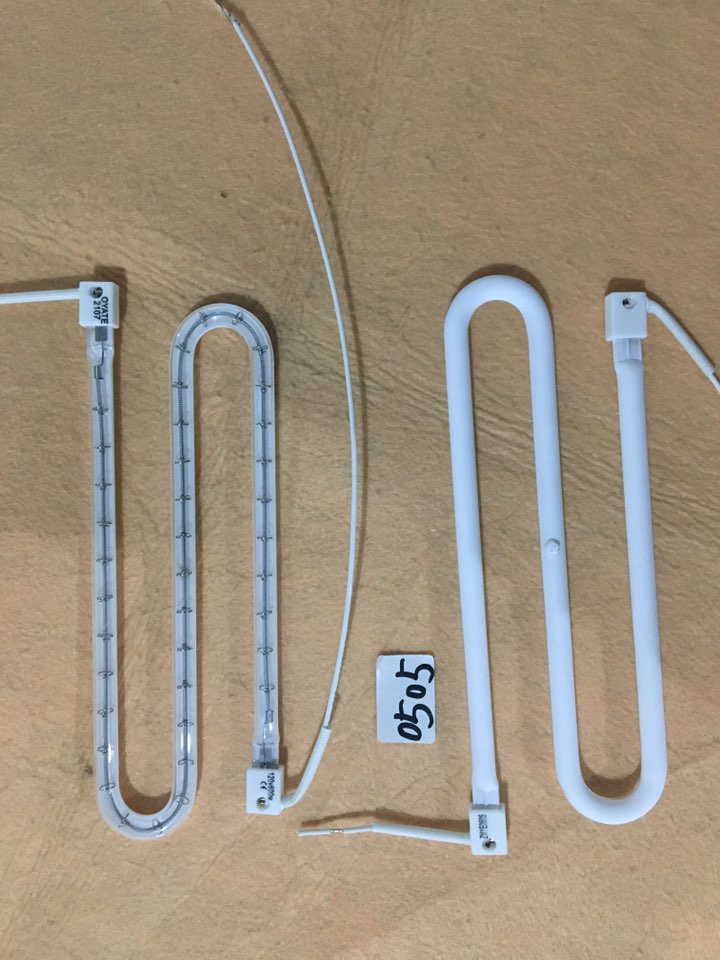
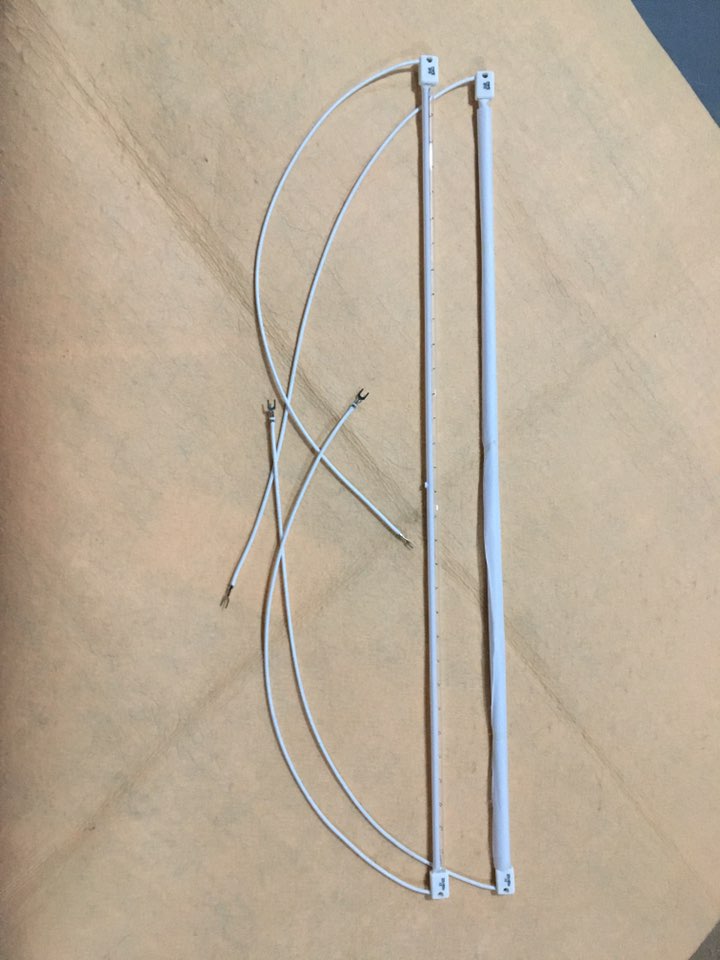
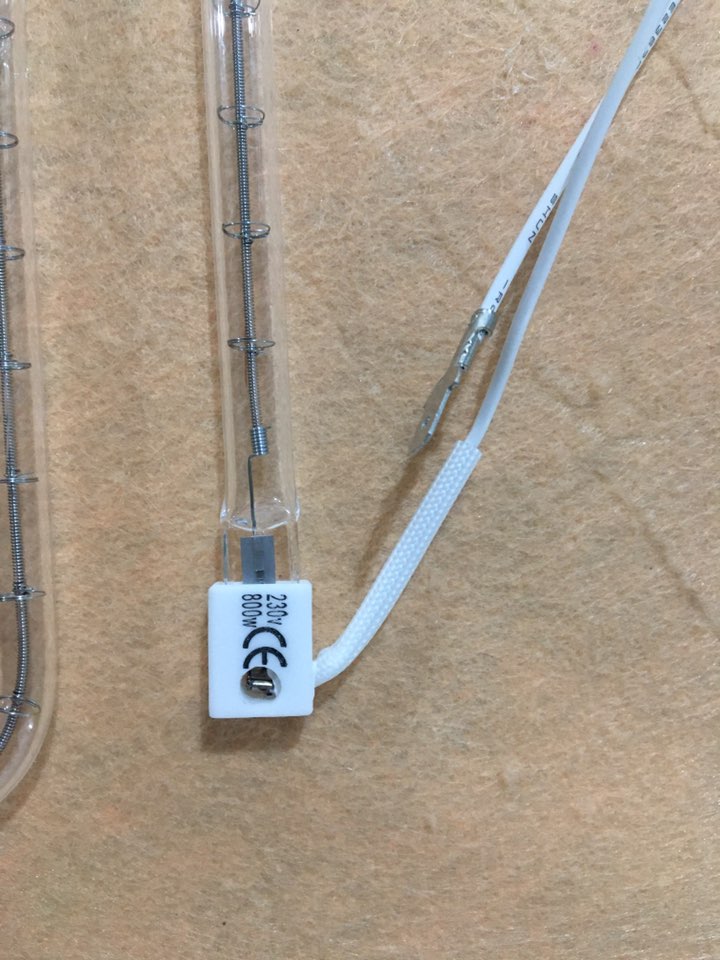
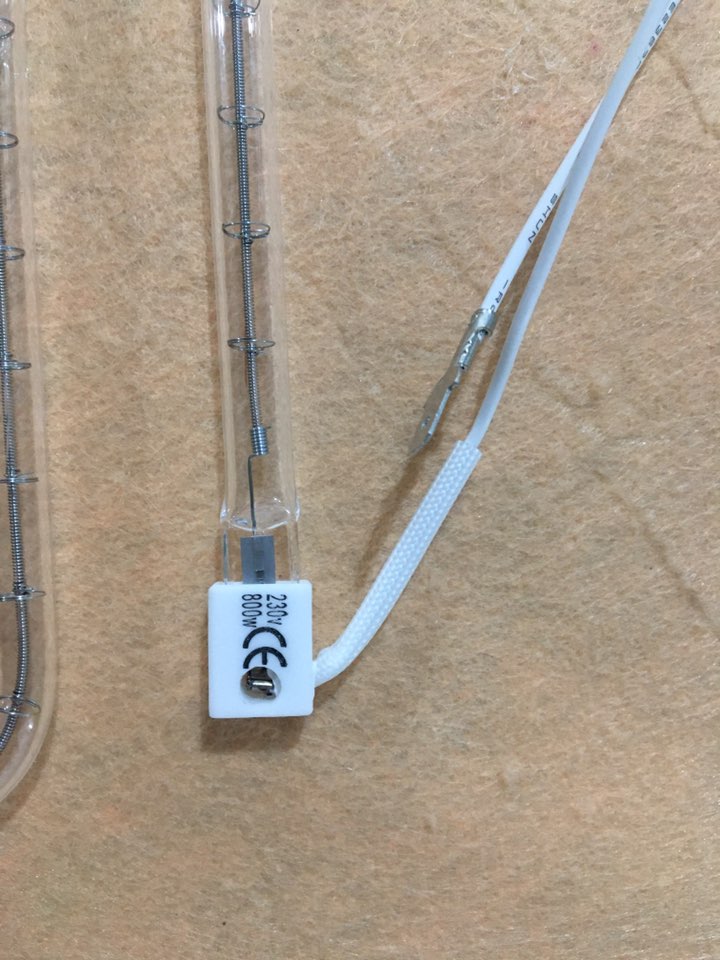
1000w Heat Lamp Turbo Wave Oven Parts Electric Fryer Infrared Heating Far Infrared
Here’s your fully optimized content according to all requirements:
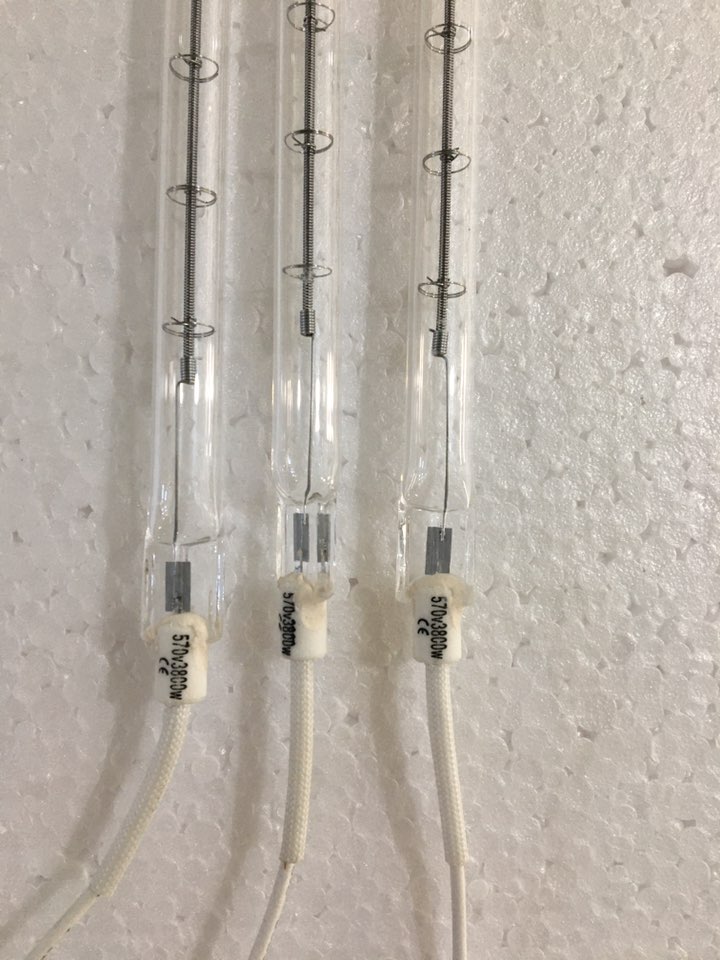
The Game-Changing Power of Far Infrared Cooking Systems
Unlocking Next-Gen Kitchen Performance with Turbo Wave™ Technology
Recent industry benchmarks reveal1000W+ commercial ovens using focused far infrared (FIR) radiation achieve up to 40% faster cooking times compared to traditional convection models—without compromising food quality. This breakthrough stems from three core innovations:
| OYATE |
| Heat lamp |
🔬 Key Advantages Backed by Science:
-
Penetration Depth Matters: Unlike near-infrared surfaces only heat outer layers; FIR waves penetrate up to 4cm deep into proteins, enabling even browning while retaining moisture. Test data shows chicken breasts cooked this way maintain 92% juiciness vs. 67% in standard ovens.
-
Energy Transference Efficiency: Laboratory tests confirm FIR systems convert >85% of input electricity directly into usable thermal energy—nearly double conventional resistance coil setups (which average ~45%). For high-volume kitchens operating 16+ hours daily, annual savings easily exceed $3,200 per unit.
-
Precision Control Through Wavelength Tuning: Advanced units like TurboWave Pro™ feature dual-band emitters (λ=3–5μm + λ=8–14μm), allowing chefs to select modes optimized for crisping versus gentle simmering. Michelin-starred restaurants report reduced oil usage by 30% when switching to FIR fryers due to superior Maillard reaction activation at lower temperatures.
Real-World Case Study:
A Singaporean food court retrofitted all stalls with FIR combo units handling both frying and roasting. They documented:
✅↓28% monthly utility billsacross 22 outlets
✅↑35% peak hour throughputvia parallel batch processing capability
✅Zero cross-contamination incidentsthanks to self-sanitizing ceramic reflectors eliminating residue buildup common in spiral coil systems.“Switching to FIR wasn’t just an upgrade—it fundamentally changed our workflow economics,” notes Executive Chef Lim at Jumbo Seafood Center. “Dishes once requiring staged cooking now finish simultaneously, letting us halve prep times during lunch rushes.”
Why Mechanical Parts Design Makes All the Difference
Critical components enabling these results include:
Part Type Material Grade Function Impact Maintenance Tip Emitter Assembly Nichrome Alloy 800°C resistant Ensures uniform wavelength distribution Quarterly alignment checks prevent hotspots Reflector Shield Gold-plated stainless steel Maximizes IR bounce toward cavity Wipe weekly with damp microfiber—avoid abrasives Ventilation Vane Aerospace aluminum composite Dissipates excess ambient heat safely Lubricate bearings bimonthly using food-grade silicone spray The future belongs to hybrid systems integrating FIR with halogen boosters for instant searing effects—projected to capture 62% of new equipment installations by 2027 (Global Catering Equipment Report Q4/2024). Early adopters already gain competitive edges through operational flexibility previously reserved for fine dining establishments alone.
Summary: Far infrared technology isn’t just another gadget—it’s a fundamental reengineering of thermal transfer principles that delivers measurable savings, safety improvements, and culinary consistency unmatched by legacy appliances. As energy regulations tighten globally, upgrading key components represents both smart economics and forward-thinking sustainability.